Images from the Castner Scrapbooks of the Free Library of Philadelphia Print & Picture Collection, and others (along with my musings on changing technology)
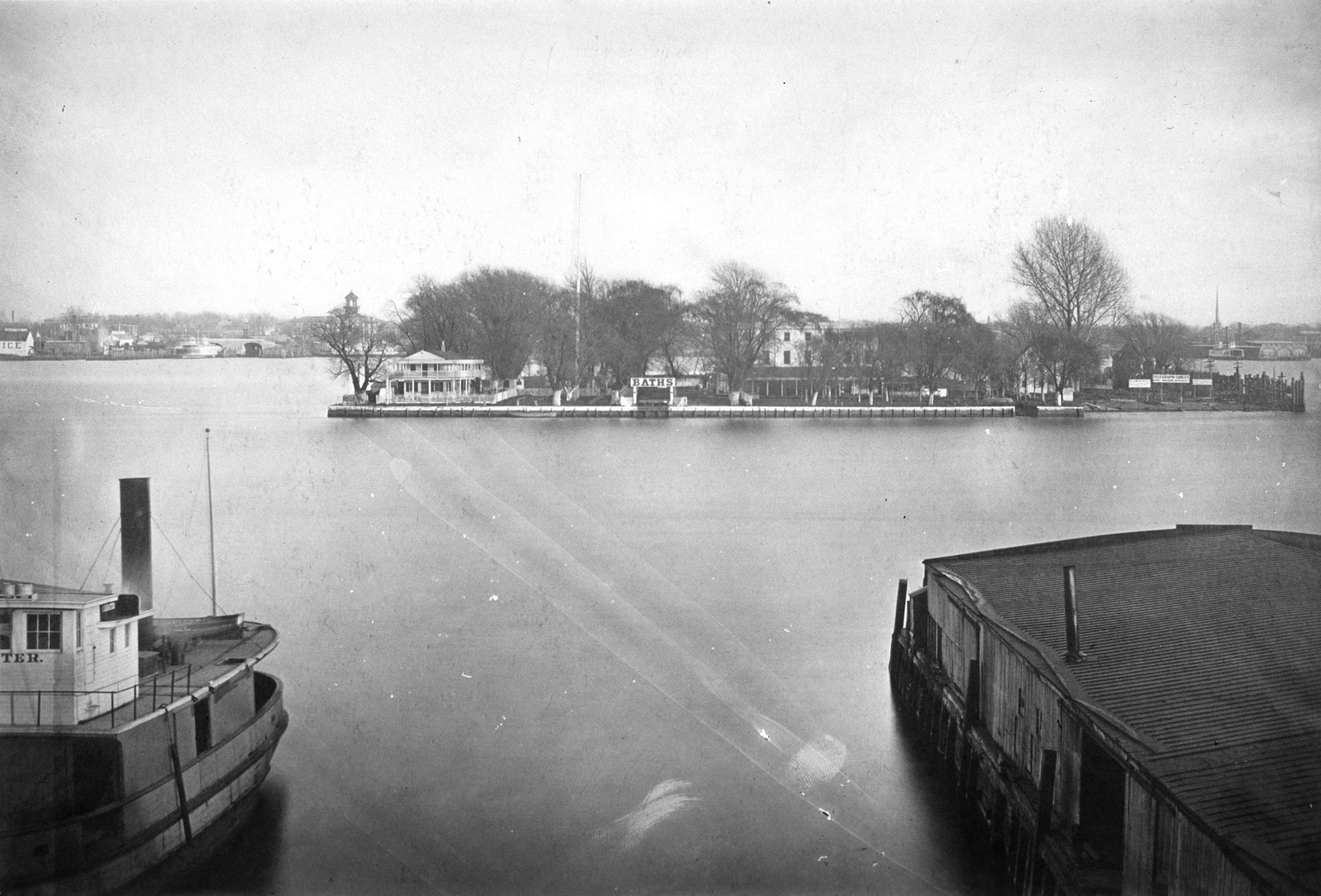
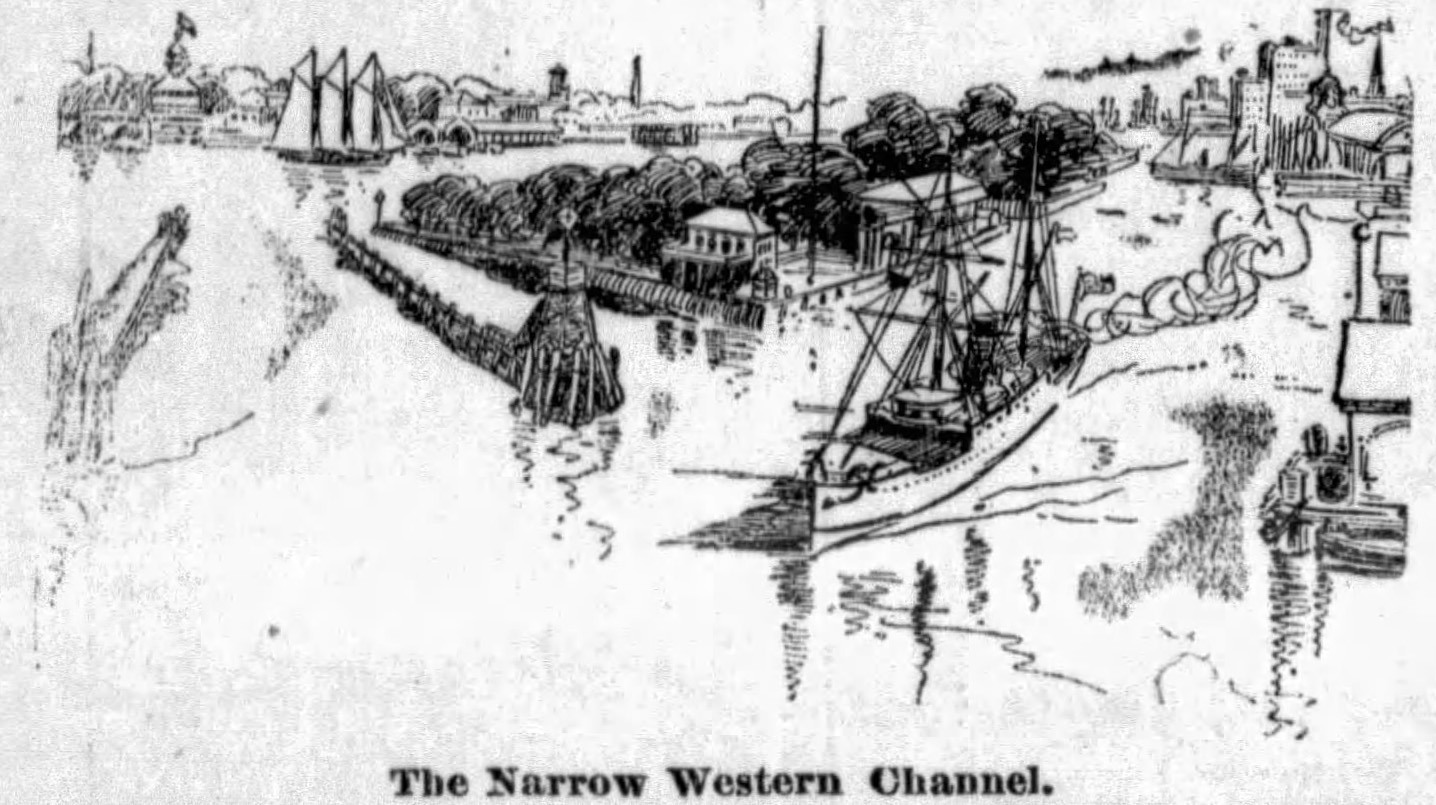
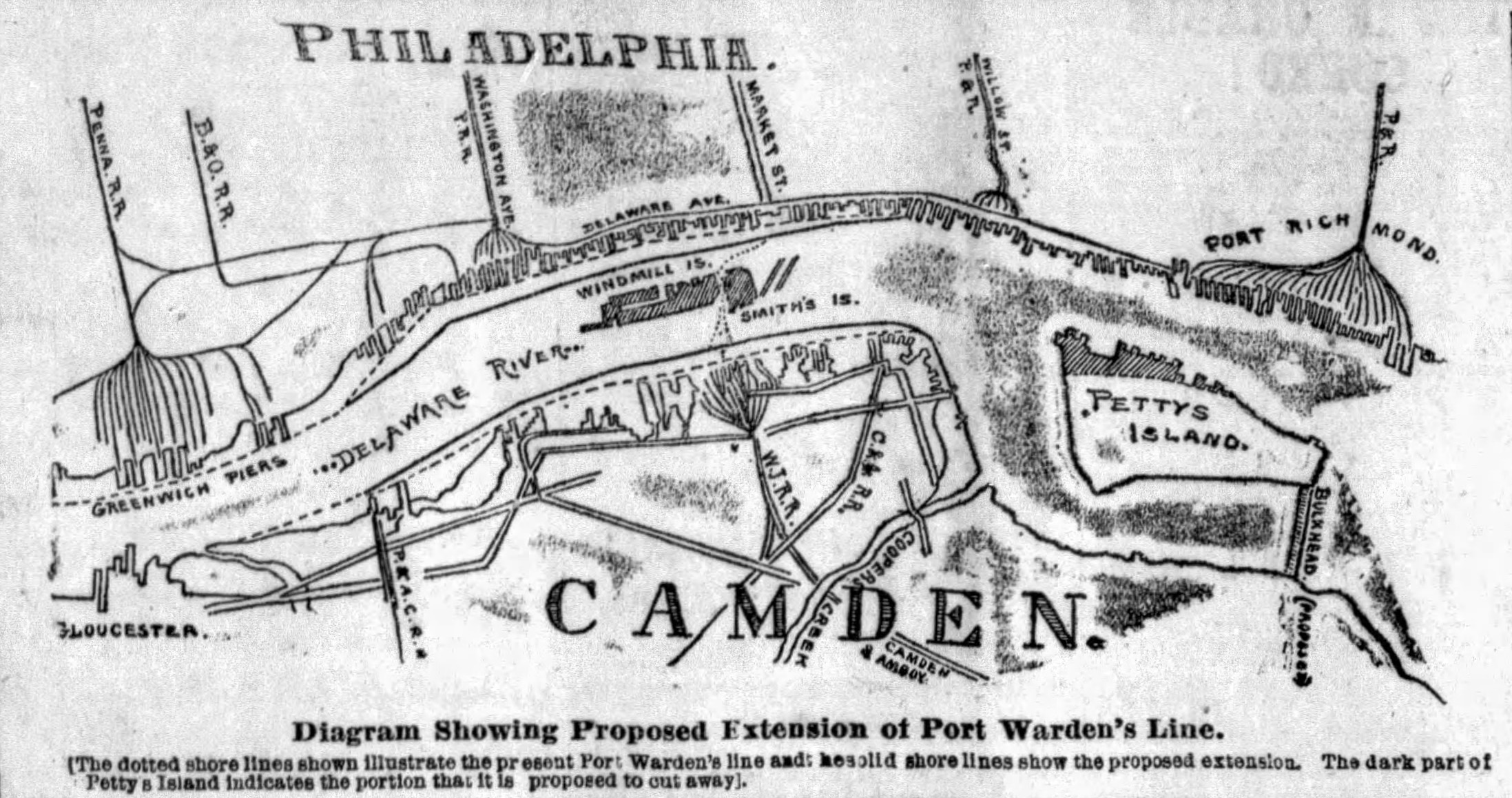
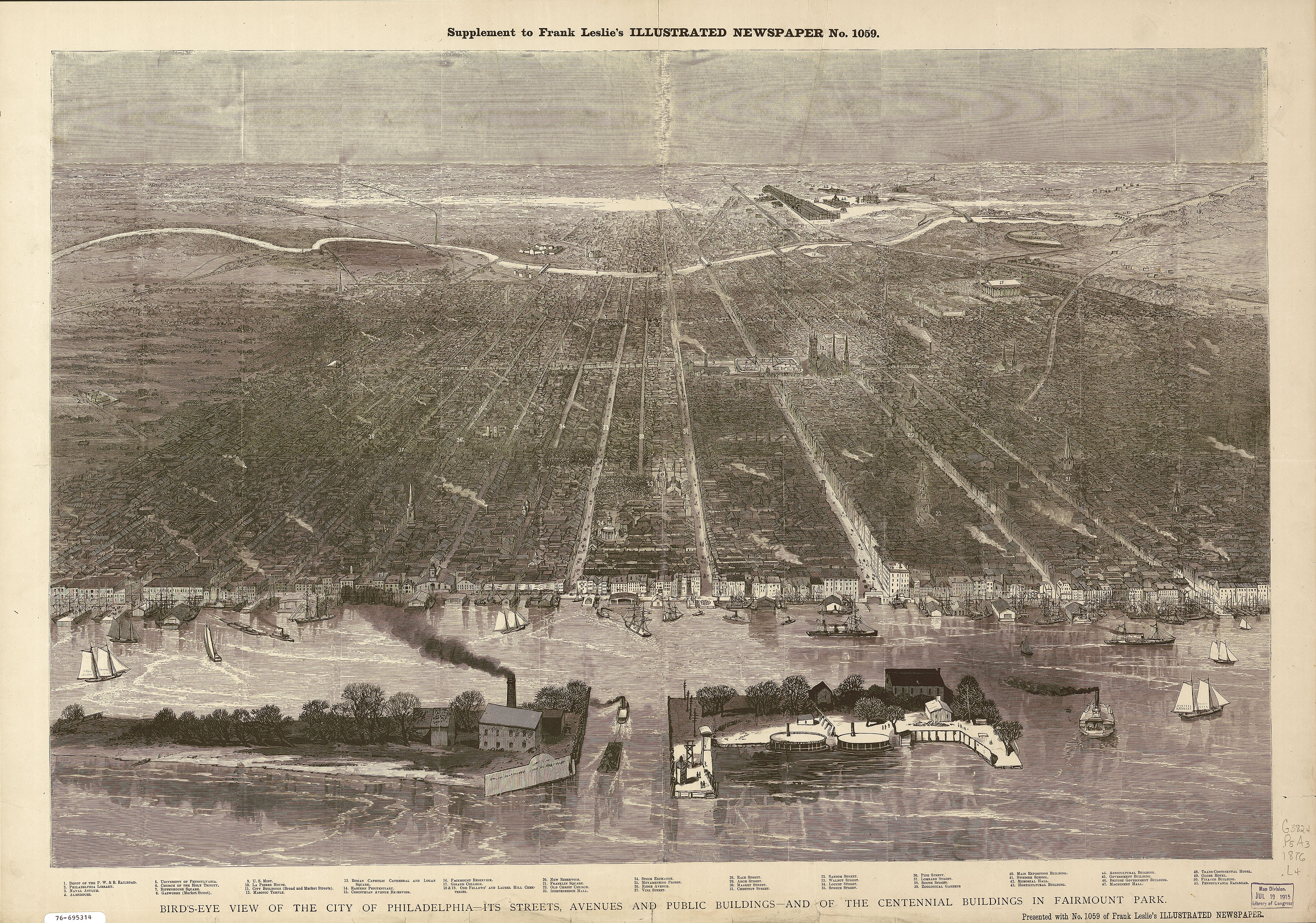
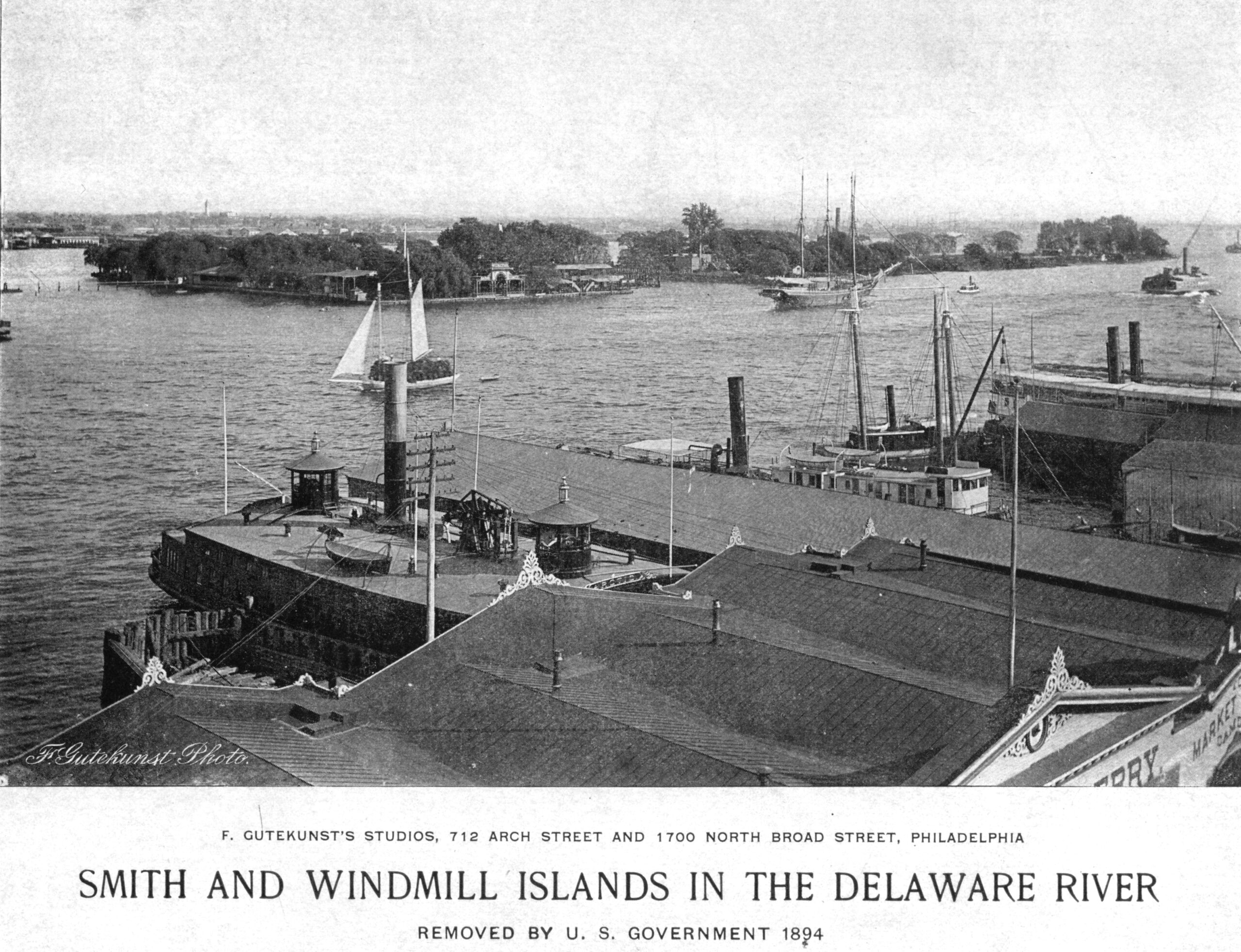
These islands (or island, depending on the time period and the historical source one is consulting) sat in the middle of the Delaware River, roughly opposite Market Street. Early in the city’s history several hangings took place on Windmill Island, which was then a forlorn spit of sand. But sand has a way of accumulating in rivers, often in unexpected places, and as these islands grew, their shorelines were eventually solidified with bulkheads, and people erected structures far more permanent than gallows.
By the 19th century they had become recreation destinations, popular with the city’s teeming working classes, for whom a trip to the mountains or the seashore was not in the cards. Human-powered craft and later steamboats regularly made the short trip from the Philadelphia wharves to the islands, especially in the heat of the summer. But by the late 1880s, the U.S. Army engineers (with the blessing of the city officials and manufacturers) declared that the needs of commerce more important than recreation: both islands were deemed obstructions to shipping traffic in the river, and they were removed.
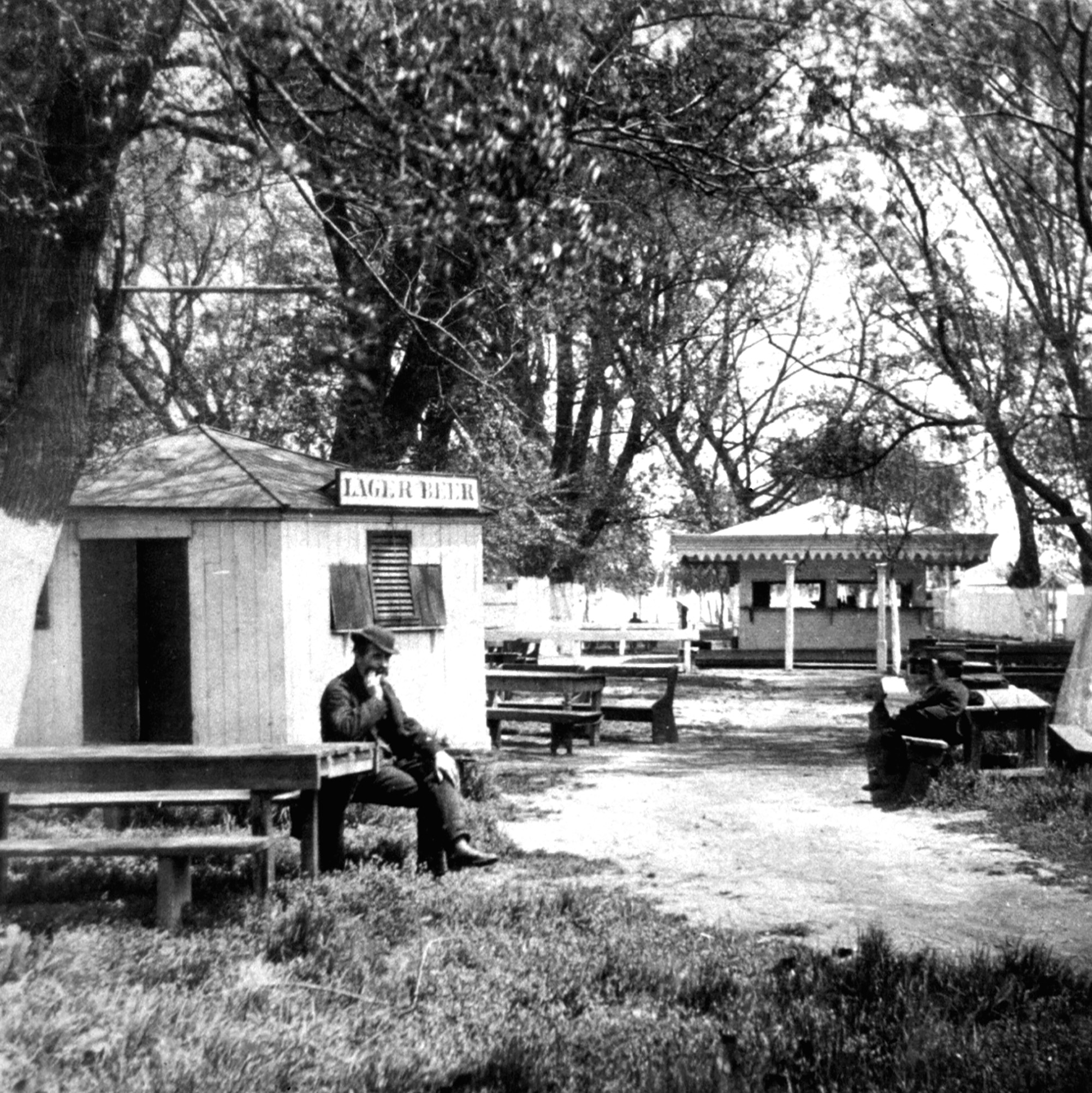

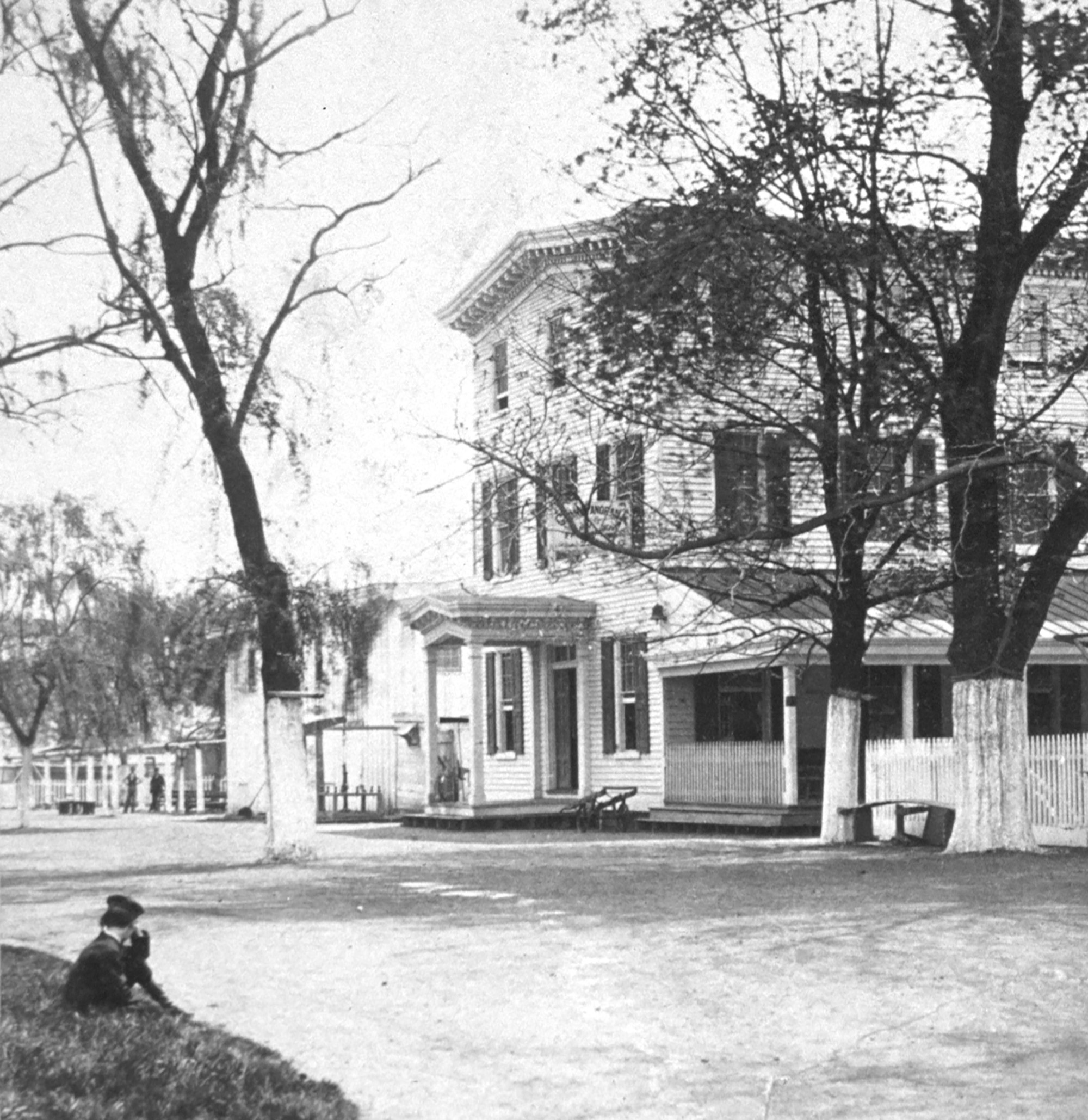
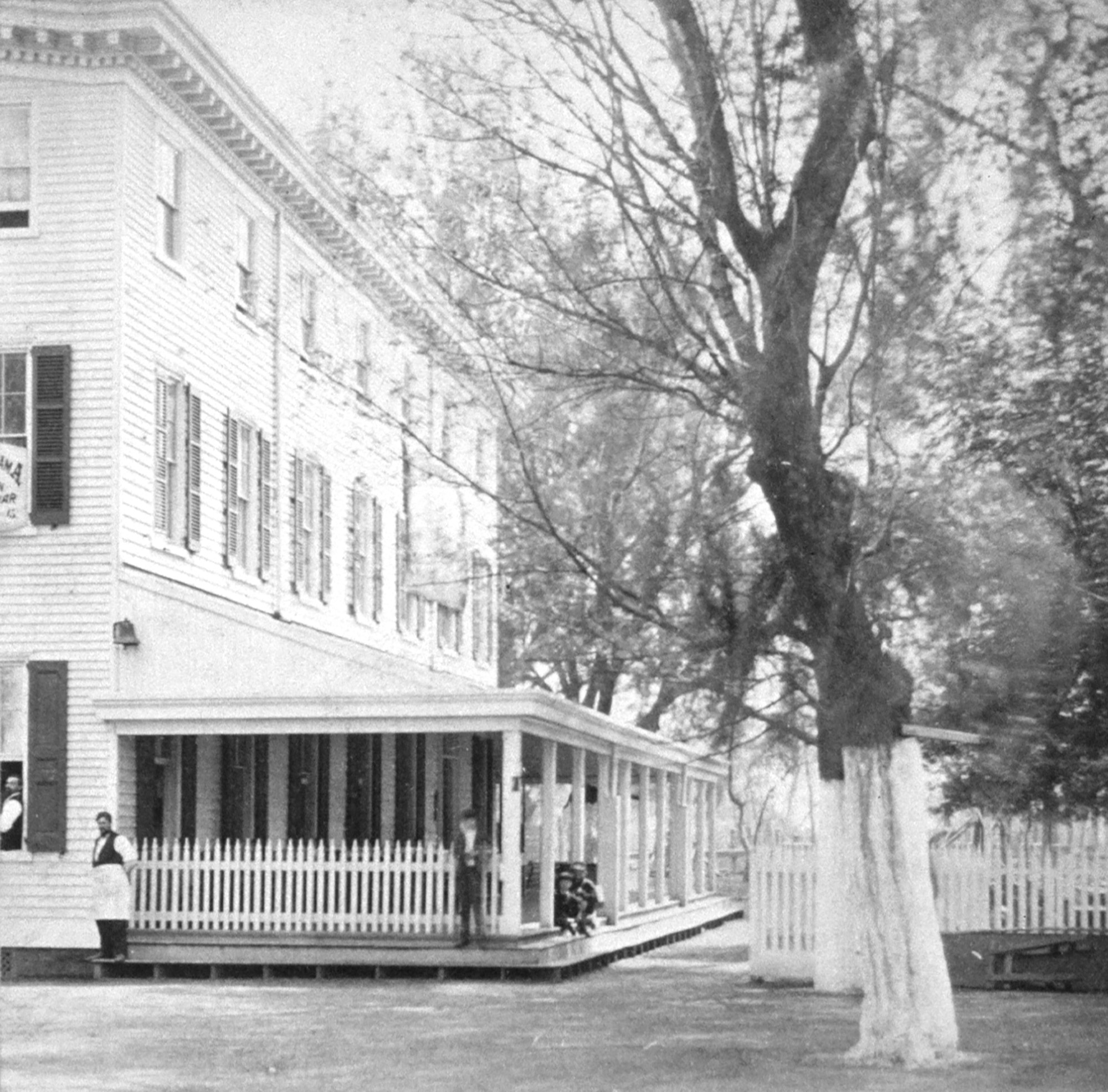
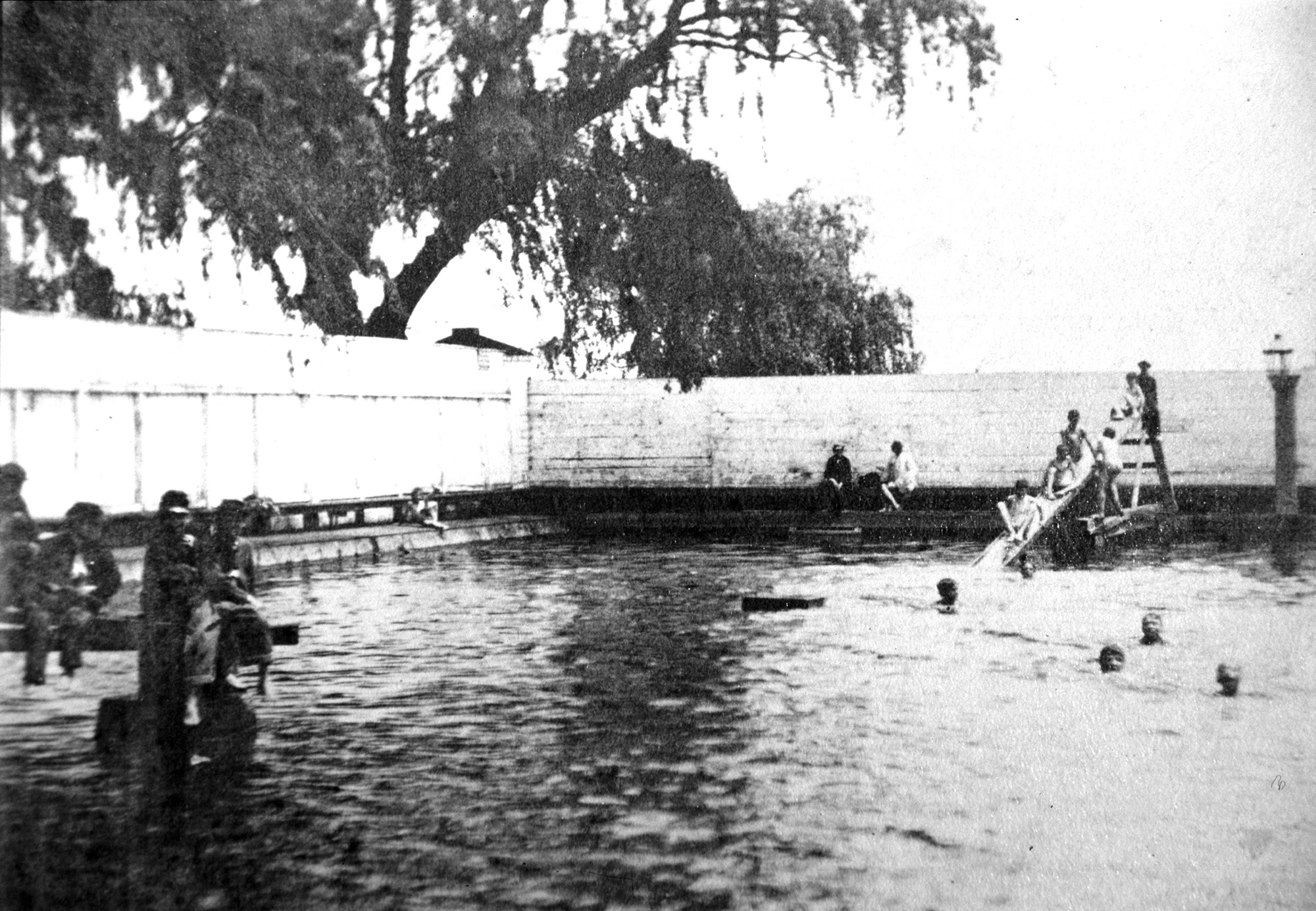
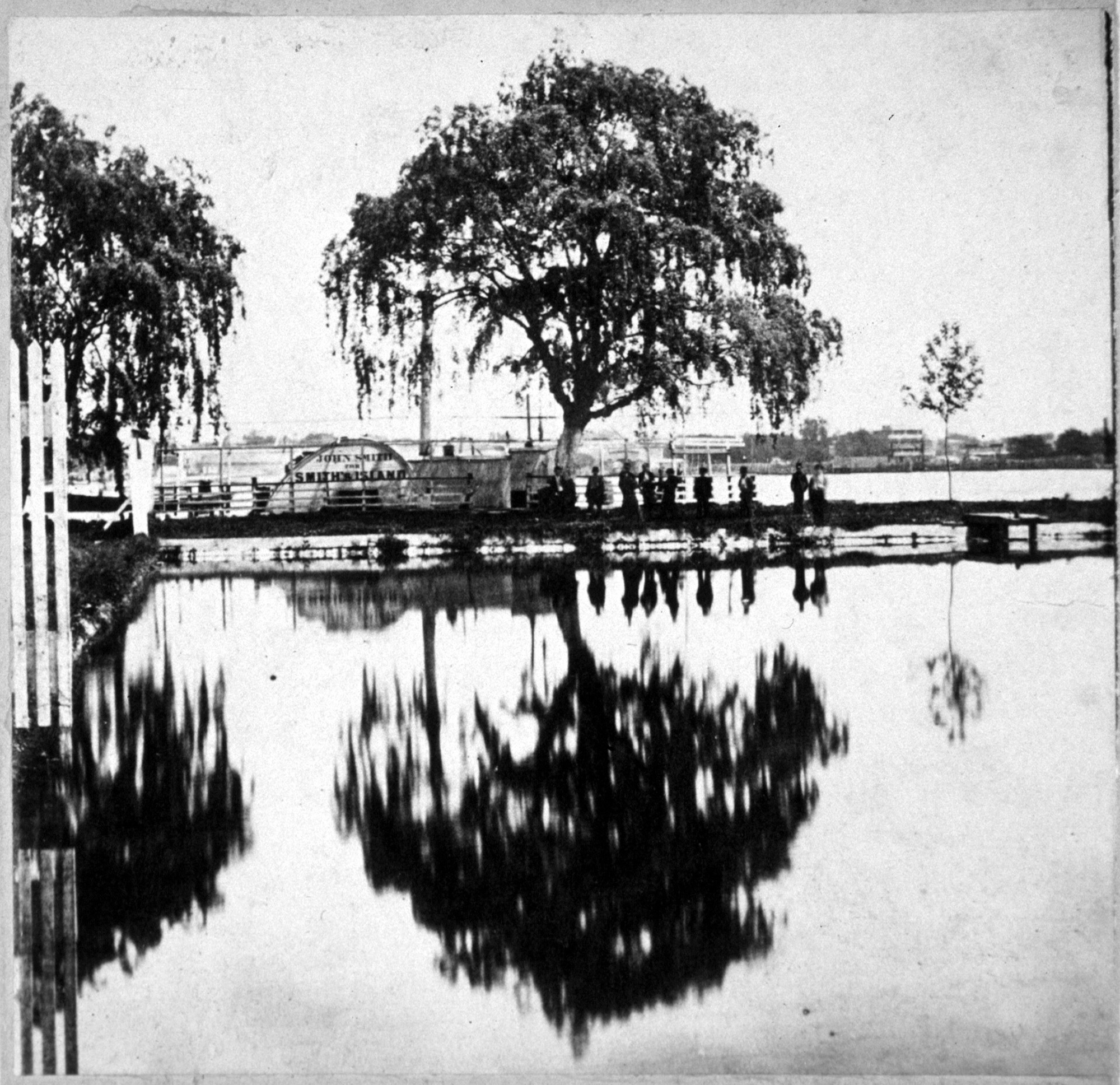

ABOVE: Views of the amusement park on Smith Island, opposite Market Street in the Delaware River. The island boasted picnic groves, a hotel, swimming pools, and a beer garden, and often a live orchestra or band. Hordes of people from Philadelphia would travel there on hot summer days, packing small steamboats like the John Smith, shown in the middle right photo above. While the island sat between Pennsylvania and New Jersey (Camden is in the background of the bottom image), the land was part of the City of Philadelphia. (Castner Collection, Free Library of Philadelphia Print and Picture Collection)
These images were first posted on PhillyH2o, this site’s predecessor, around 2004. I have reposted them here at higher resolution–or at least as high as my reproduction technique of that time allows. Before the days of easy scanning, I copied photos, maps and other material I found at the Free Library by photographing them with an SLR camera. At first I used slide film, and the resulting mounted slides were sorted and loaded into carousels for what older folks might remember as slide shows. For younger readers: this was the old way of making a presentation, using a contraption called a slide projector, with a noisy fan that cooled a hot, bright bulb which shone through the slides (sometimes also called transparencies) and projected the images onto a screen.
The special bulbs used in these projectors were expensive and sometimes burned out at inopportune moments. Responsible presenters always carried a spare, but I remember giving a talk at the Fairmount Water Works Interpretive Center where even the spare bulb burned out. It was the first (and only time) I have ever given an illustrated talk without the illustrations. I can’t say that it was a great success.
To photograph material at the Free Library, I had to carry it up to the balcony of the Print & Picture Collection, where they had a copy stand. This contraption had a mount for a camera that could be raised and lowered, depending on the size of the item being photographed. It was also equipped with very bright and very hot lights that were surrounded by aluminum reflectors that also got very hot to the touch. (I know, because I would sometimes accidentally touch them, resulting in muttered curses probably not approriate for a public library).
I often took several pictures of the same photo, zooming in close to capture details not readily apparent. Sometimes the material I was trying to copy–in particular, plates in oversized real estate atlases–were too large for the copy stand, which resulted in somewhat wonky or wavy pictures, shot at strange angles so I could capture the details (usually the historic streams) that I was looking for.
Eventually the camera shop at which I had the film processed offered to scan the strips of slides before they were cut up and mounted. They gave me the resulting digital images on a CD, and I forever gave up on slide shows in favor of much more versatile digital presentations. This same shop eventually convinced me to buy a digital camera, so I could skip the film altogether. And the last part of this story is that scanners became cheap enough and fast enough that most libraries and historical archives (including the PWD Historical Collection) bought them, and scanned their own material for presentations and for posting online.
With the remarkable advances in imaging technology of the past 20 years, all this effort of mine to capture the past in my pictures now seems quaint–as did my warnings, on the old site, that any file larger than 100 kb (that is a k, not an m) might take a long time to download.
Thanks to Karen Lightner, former head of the Free Library of Philadelphia, Print and Picture Collection for allowing the use of these images of a landscape that is lost and mostly forgotten, and to readers for indulging my stories about lost technology. Don’t get me wrong: I’m not doing the old-man thing and saying that my life was better with slides and slide shows. I’m just amazed, looking back at the world as it was, how differently things worked, and how quickly they changed.